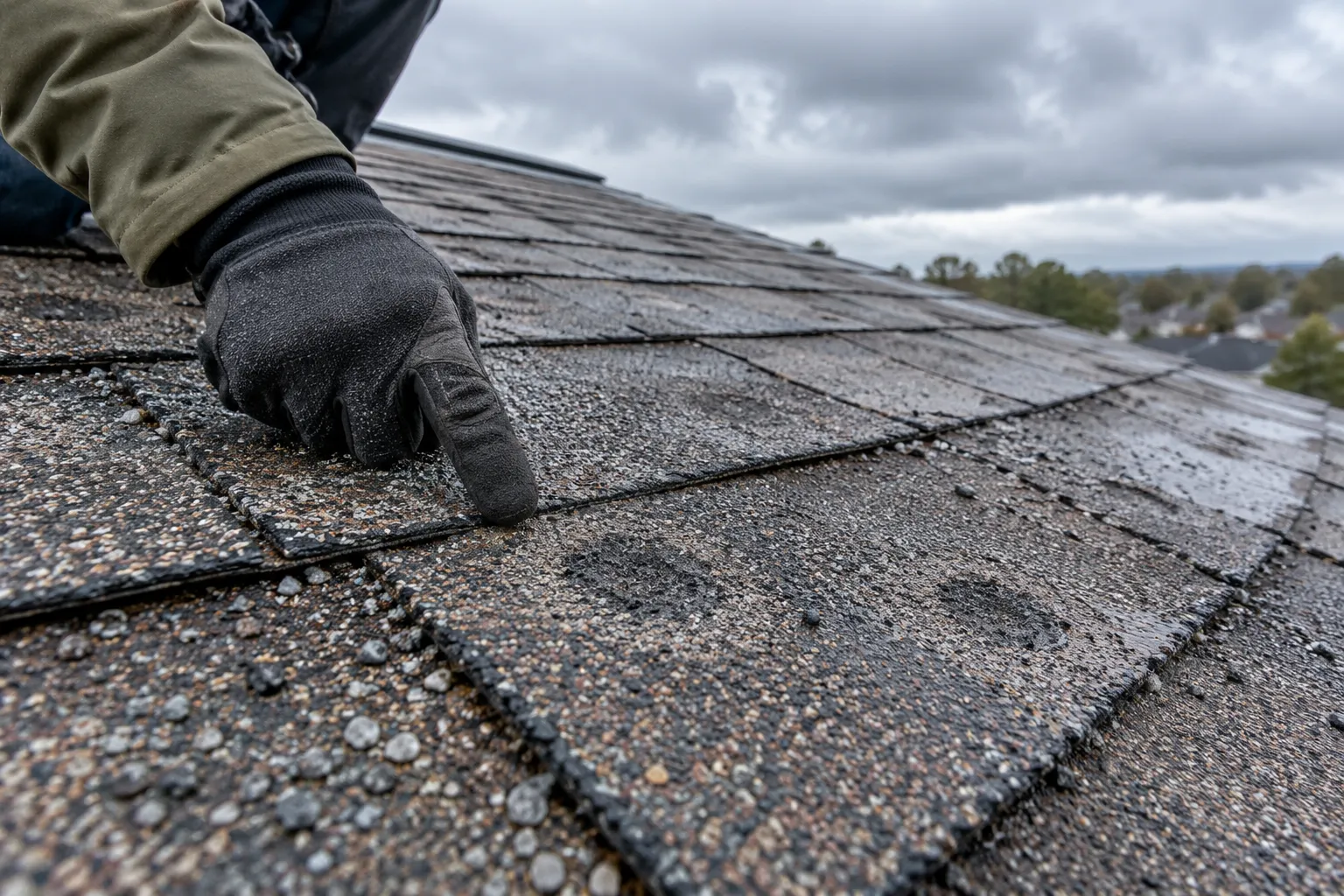
Storm and hail damage roof repair deals with the harm a single weather event does to a roof. High wind can lift, crease or tear off shingles. Hail can bruise shingles, knock off their protective granules and dent metal vents and gutters. Falling branches can puncture the roof deck. Some damage leaks right away, and some causes problems months later.
Alberttreating Roofing is a referral service. When you call, we connect you with an independent local roofing contractor in the Oakland area. The contractor inspects the roof, explains what the storm damaged and gives you a written estimate for repairs or replacement. Many contractors can also take photos and notes that help document the damage if you decide to contact your insurer. Your insurer makes the final decision on any claim. Take your time, ask questions and remember there's no obligation to hire the contractor you speak with.
Storm Just Passed? Safety First
After a big storm, your roof can wait a few minutes while you check for hazards. Look for downed power lines near your home and stay well clear of them. If a tree or large branch has come through the roof, keep everyone out of that part of the house.
Do not climb onto the roof to check for damage. Storm-damaged roofs can be slick, loose or weakened. Instead, walk around the house and look from the ground. Take photos of anything you see, inside and out, then call a roofer.
Why Storm Damage Needs Prompt Attention
Some storm damage is easy to spot, like missing shingles or a hole from a branch. Other damage is hidden. Either way, it's better to have it checked soon.
- Open spots let water in. The next rain can soak the deck, insulation and ceilings.
- Loose shingles keep moving. Shingles that lost their seal can tear off in the next wind.
- Hail damage can be slow. Bruised shingles may look fine now but crack and leak later.
- Records matter. If you plan to contact your insurer, some policies have time limits for reporting damage. Check your policy.
A prompt inspection gives you a clear picture before small problems grow.
Types of Storm Damage
Wind Damage
Wind gets under shingle edges and breaks the seal that holds them down. You may see missing shingles, creased tabs, lifted ridge caps or bare patches of underlayment. Wind can also loosen flashing and bend gutters.
Hail Damage
Hail can leave dark, soft spots on asphalt shingles where granules have been knocked loose. It can crack shingles, dent metal vents and gutters, and chip paint on siding and window frames. Small hail may not do much harm, while larger hail can damage a roof in minutes.
Impact Damage
Falling trees and large branches can crack rafters and punch holes through the roof deck. This kind of damage usually needs a temporary cover right away and structural repair before re-roofing.
Water Damage After the Storm
If rain got in, check the attic and ceilings. Wet insulation and drywall may need attention from a separate water damage specialist.
What a Storm Damage Inspection Covers
A careful contractor will look at more than the shingles. A typical inspection includes:
- Shingle surface. Missing, creased, cracked or bruised shingles on each slope.
- Soft metals. Dents in vents, flashing, gutters and downspouts, which can help show hail size and direction.
- Flashing and edges. Loose or bent metal around chimneys, walls and roof edges.
- The attic. Signs of fresh leaks, damp insulation or cracked boards.
- Photos and notes. Many contractors document what they find with dated photos.
Ask the contractor to show you the photos and explain what they found, slope by slope.
Repair or Replace After a Storm?
If damage is limited to one area, a repair may be enough. If shingles are damaged across most of the roof, replacement may make more sense. The age of the roof matters too. An older roof that was already worn may be better replaced once storm damage is added.
Ask for a written estimate that clearly lists what will be repaired or replaced and why.
Working With Your Insurance
Some homeowner policies may cover sudden damage from wind or hail. Wear and tear from age usually is not covered. Every policy is different, and many have deductibles that apply to wind or hail. Check your policy and talk to your insurer before you decide.
A few things help:
- Take photos of the roof, gutters, siding and any inside damage.
- Keep receipts for any tarps or emergency repairs.
- Ask the contractor for written notes and photos of the damage.
- Read any contract carefully before you sign it.
Contractors can often help document the damage for your claim. Your insurer makes the final decision on what is covered and how much is paid. Be cautious of anyone who promises a specific claim result or offers to cover your deductible.
Be Careful With Door-to-Door Offers
After a hailstorm, it's common for roofing crews to go door to door. Some are local and reputable. Others travel from storm to storm and may not be around later if a problem shows up. Before you sign anything:
- Ask for a local business address and phone number.
- Ask for proof of insurance and any license required in California.
- Get a written estimate that lists the work in detail.
- Don't sign a contract on the spot or under pressure.
Taking a day to compare options is normal and wise.
Questions to Ask the Contractor
The contractors in our network are independent businesses. Before work begins, ask:
- What damage did you find, and can you show me photos?
- Do you recommend repair or replacement, and why?
- Can I get a written estimate before you start?
- What warranty comes with the work?
You're never obligated to hire the first contractor you speak with.
Storm damage on your roof? Call to check provider availability near you.
What's Included
Storm Damage Inspection
The contractor checks shingles, soft metals, flashing and the attic for wind, hail and impact damage.
Photo Documentation
Dated photos and notes show what the storm damaged, slope by slope.
Temporary Protection
Tarps or temporary patches can cover open areas until permanent repairs are made.
Repair or Replacement
Damaged shingles, flashing and decking are repaired, or the roof is replaced if damage is widespread.
What Does Storm Damage Roof Repair Cost?
Cost depends on how much of the roof was damaged, the roof material and whether the deck or framing was hit. These are typical U.S. ranges that vary by job, so always get a written quote.
| Item | Typical range | Notes |
|---|---|---|
| Minor wind damage repair | $200 – $1,000 | A few shingles or ridge caps |
| Moderate storm repair | $1,000 – $4,000 | Several areas or flashing work |
| Hail damage, partial re-roof | $3,000 – $10,000 | One or more slopes replaced |
| Full replacement after storm | $8,000 – $20,000+ | Asphalt shingles, typical home |
| Emergency tarping | $200 – $1,000 | Depends on size and roof access |
| Tree impact repair | $1,000 – $10,000+ | May include rafter and deck repair |
How It Works
1. Call Alberttreating Roofing
Tell us about the storm and your location. We connect you with a local roofing contractor.
2. Inspection and Photos
The contractor inspects the roof, documents the damage and covers open areas if needed.
3. Written Estimate
You get a written estimate for repair or replacement, with the reasons explained.
4. Repairs and Walkthrough
The work is completed, debris is cleared and the contractor reviews the finished roof with you.
Why Call Alberttreating Roofing
Quicker Path to Help
One call connects you with a local roofing contractor who handles storm and hail damage.
Local Contractors
Contractors in our network work in the Oakland area, so they are nearby after the storm moves on.
Clear Documentation
Ask for dated photos and a written estimate, so you know exactly what was found.
No Obligation
Talk to a contractor, ask your questions and decide what's right for your home.